
If you’ve been involved in construction, warehousing, or even setting up a temporary office, you’ve probably noticed how fast things are changing. Traditional brick-and-mortar methods are no longer the only option. Over the past few years, we’ve seen a major shift toward modular, energy-efficient solutions—and one standout is the Sandwich Panel Room.
From my experience working with commercial clients and project managers, the demand for these structures has surged in 2026. Businesses want speed, flexibility, and cost control. That’s exactly where this solution delivers.
What Is a Sandwich Panel Room?
A Sandwich Panel Room is a prefabricated structure made using insulated panels. These panels have three layers:
- Outer sheets (usually metal like steel or aluminum)
- Inner insulating core
- Protective coating for durability
Think of it like a “sandwich”—two strong outer layers with insulation in the middle.
Common Core Materials
- PUF (Polyurethane Foam): High insulation performance
- EPS (Expanded Polystyrene): Budget-friendly option
- Rock Wool: Fire-resistant and soundproof
This structure makes an insulated panel room highly efficient for both hot and cold environments.
Types of Sandwich Panel Rooms
Choosing the right type depends on your project goals, climate, and budget.
1. PUF Panels
- Excellent thermal insulation
- Ideal for cold storage and climate-controlled spaces
2. EPS Panels
- Lightweight and affordable
- Suitable for temporary setups or low-budget projects
3. Rock Wool Panels
- Strong fire resistance
- Great for industrial environments
Quick Comparison
| Type | Insulation | Cost | Durability |
| PUF | High | Medium | High |
| EPS | Medium | Low | Medium |
| Rock Wool | High | Higher | Very High |
When planning your sandwich panel room design, this comparison helps avoid costly mistakes later.
Key Benefits of Sandwich Panel Rooms
After working on multiple installations, I can confidently say the advantages go beyond just cost savings.
Fast Installation
A Sandwich Panel Room can be installed in days—not months. This is a huge advantage for businesses needing quick setups.
Cost-Effective
Compared to traditional construction, you save on:
- Labor
- Materials
- Time
Thermal Insulation
The insulated core reduces heat transfer. That means:
- Lower electricity bills
- Comfortable indoor temperatures
Soundproofing
Especially with rock wool panels, noise reduction is impressive—ideal for factories and offices.
Lightweight but Strong
Despite being lightweight, these structures are structurally reliable and long-lasting.
Eco-Friendly
Panels are often reusable, making them a sustainable choice in modern construction.
Applications of Sandwich Panel Rooms
One reason the Sandwich Panel Room is so popular is its versatility.
Common Uses
- Industrial Buildings – Factories and warehouses
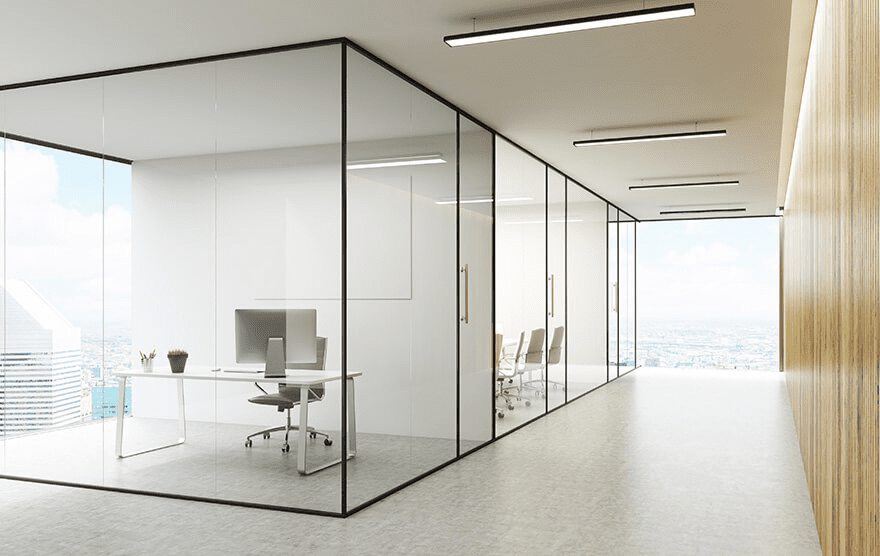
- Portable Offices – Quick setups for project sites
- Cold Storage Rooms – Food and pharmaceutical storage
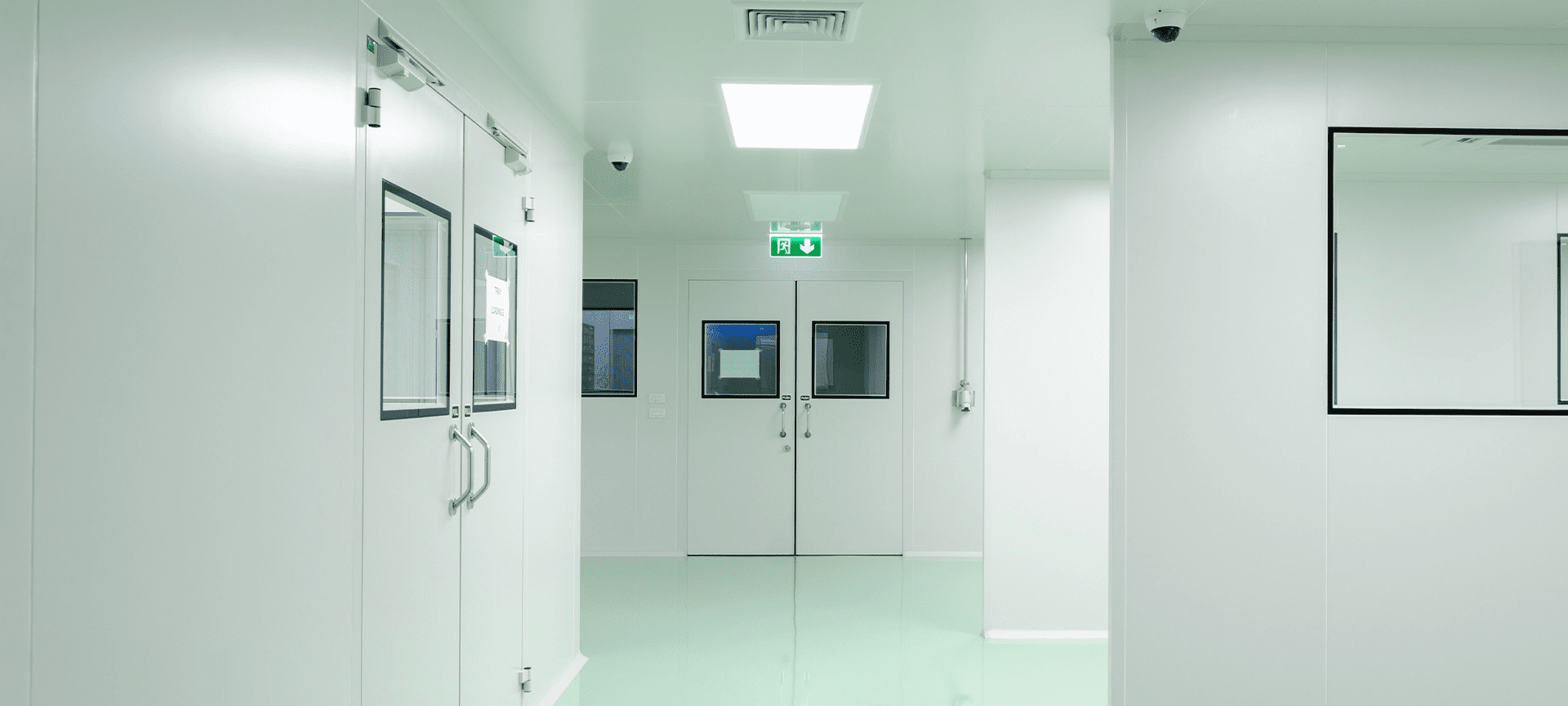
- Clean Rooms – Controlled environments
- Modular Homes – Affordable housing solutions
- Site Offices & Cabins – Temporary workspace
We’ve seen e-commerce businesses increasingly adopt prefab sandwich panel room solutions for warehousing due to rapid expansion needs.
Sandwich Panel Room vs Traditional Construction
Let’s be practical—this is where most decision-makers hesitate.
Cost
Traditional construction can cost 30–50% more depending on materials and labor.
Time
- Traditional: Months
- Panel rooms: Days to weeks
Maintenance
- Brick structures require regular repairs
- Panel rooms are easier to maintain
Flexibility
A can be relocated or expanded—something traditional buildings can’t offer.
Cost of Sandwich Panel Rooms (2026 Updated)
Pricing varies, but here’s a realistic breakdown based on recent projects.
Average Cost
- $10–$25 per square foot (depending on specifications)
What Affects Cost?
- Material type (PUF, EPS, rock wool)
- Panel thickness
- Location & logistics
- Customization (doors, windows, HVAC)
A customized insulated panel room with premium finishes will naturally cost more—but still less than conventional construction.
Installation Process (Step-by-Step)
From my hands-on experience, a proper installation ensures durability.
1. Site Preparation
Level the ground and ensure proper drainage.
2. Frame Setup
Install a steel or aluminum structure.
3. Panel Fixing
Attach panels securely using fasteners.
4. Sealing & Insulation
Seal joints to prevent air leaks.
5. Finishing
Install doors, windows, and interior fittings.
A well-installed can last for years with minimal issues.
Design Ideas for Sandwich Panel Rooms
Good design isn’t just about looks—it improves functionality.
Office Layout Ideas
- Open-plan workspaces
- Partitioned cabins for privacy
Small Room Optimization
- Use vertical storage
- Add natural lighting panels
Industrial vs Residential Design
- Industrial: Focus on durability
- Residential: Focus on comfort and aesthetics
Interior Tips
- Use PVC flooring for easy maintenance
- Add false ceilings for better insulation
A thoughtful sandwich panel room design can transform even a basic structure into a premium workspace.
Maintenance Tips
Keeping your Sandwich Panel Rooms in top shape doesn’t require much effort.
Cleaning
- Use mild detergents
- Avoid harsh chemicals
Moisture Prevention
- Ensure proper sealing
- Fix leaks immediately
Regular Inspection
- Check joints and fasteners
- Inspect insulation integrity
Common Mistakes to Avoid
I’ve seen projects go wrong due to simple oversights.
- Choosing the wrong panel type
- Ignoring insulation thickness
- Poor installation practices
- Not planning ventilation
Avoid these, and your Sandwich Panel Rooms will perform exactly as expected.
Why Sandwich Panel Rooms Are Trending in 2026
This isn’t just a trend—it’s a shift in how we build.
Rising Construction Costs
Traditional methods are getting expensive.
Need for Speed
Businesses can’t afford delays.
Sustainability
Reusable materials align with eco-friendly goals.
That’s why the prefab sandwich panel room is becoming the go-to solution across industries.
Conclusion
They have proven itself as a smart, modern alternative to traditional construction. It’s fast, cost-effective, and energy-efficient—all the things businesses need today.
If you’re planning a new workspace, storage unit, or modular setup, this solution is worth serious consideration.
Ready to Build Smarter?
If you want expert guidance or a custom quote, reach out today. The right Sandwich Panel Rooms can save you time, money, and stress—right from day one.
FAQs
1. How long does a sandwich panel room last?
With proper installation and maintenance, it can last 15–25 years or more.
2. Is a sandwich panel room suitable for extreme weather?
Yes, especially PUF and rock wool panels offer excellent insulation and durability.
3. Can I customize the design?
Absolutely. A sandwich panel room design can be tailored with windows, partitions, and finishes.
4. Is it cheaper than traditional construction?
Yes, typically 30–50% more affordable, depending on the project.
5. Can the structure be relocated?
Yes, most prefab setups are modular and can be moved or expanded easily.