
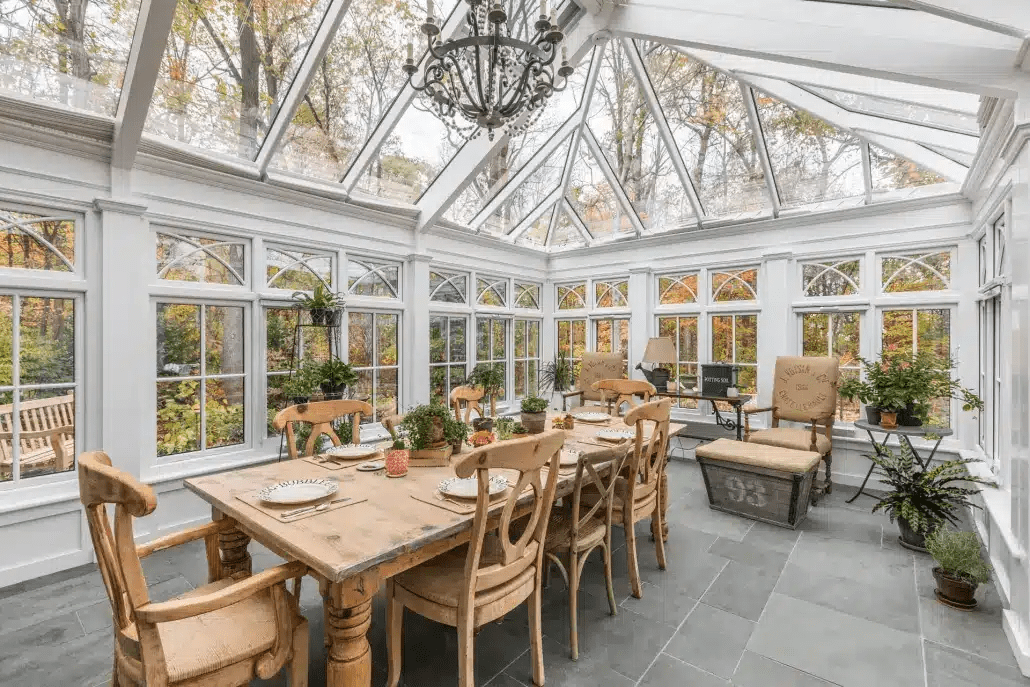
A conservatory is more than an extra room. Such a bright, stylish space could completely change how you use your home.
For the past few years, conservatories have been used as relaxation lounges and modern dining areas or beloved home offices and indoor garden retreats. By 2026, they all want homes that feel open and easy with views of the outside.
The most common reason why a conservator has become so popular is, of course, the sheer amount of natural light it brings into a property.
Those large glass panels help elicit a refreshingly airy feeling that many standard rooms lack. At the same time, it brings in utility space without getting into a complete home extension.
We have dealt with homeowners looking for just about everything from grand entertaining spaces to quiet reading nooks. The right design can change the look and feel of a property.
Not only is an effectively designed conservato one of the most successful home enhancement options, but it also adds value to your house whilst supplying family members with a useful area for all-year-round use.
This guide can help you pick the right style, materials, and amenities for your lifestyle & budget if you’re planning a new home improvement.
What Is a Conservatory?
A conservator is a glazed house that is adjoined to (or near) your home. It consists of a flexible dwelling that captures sunlight, with ample space for habitation.
Conservatories often have larger areas of glass and a lighter build than standard home extensions.
Many homeowners get a conservatory mixed up with an ordinary extension. The difference is simple. A standard extension predominantly utilizes masonry as well as solid roof covering, while a relies mostly on glass walls and also roofing systems for an intense, ethereal atmosphere.
Nowadays, conservatories can be used for a number of different functions, such as:
Dining areas for family gatherings
Home offices with natural light
Garden rooms for relaxation
Chic lounges can be created for entertaining guests
Contemporary homeowners are also paving the way with conservatorideas that combine indoor comfort and outdoor beauty. These spaces are more functional than ever, too, thanks to open-plan layouts, smart lighting, and energy-efficient glass.
Advantages of Moving into a Home with the Conservatory You Want to Know
Increases Natural Light
The biggest benefit of a conservatory is the sunlight it lets into your house. Natural light is very inviting and natural as well; it helps smaller homes feel even bigger with brightness.
Most homeowners can experience this on their own: that’s how sunlit spaces contribute to your mood and help reduce the artificial lighting used in the daytime.
Adds Property Value
A conservatory that has been designed professionally can enhance the general beauty of your home. Homes with flexible living spaces are attracting more buyers, especially those with contemporary architectural elements and modern design.
A well-planned conservator design can return even higher rates of investment to its owner, especially with the use of quality materials and thorough efficiency.
Creates Extra Living Space
Families tend to require space without actually wanting a house move. With all this being said, a conservator allows you practical extra space, as it can be adjusted when required.
You might use it as:
A playroom for children
A home gym
A guest seating area
A quiet workspace
That flexibility alone makes it currently one of the most useful upgrades you could make in your home.
Connects Indoor and Outdoor Living
A conservatory allows your home to seamlessly flow out into the garden. Large windows, sliding, or bi-fold doors help you make outdoor spaces an extension of your interior.
This design style is especially common in modern homes with an emphasis on openness.
Energy-Efficient Modern Designs
Today, conservatories are very different than older styles. High thermal-performance glazing, insulated roof structures, and clever ventilation systems contribute to holding ambient temperatures indoors in all seasons.
One that is cooler in the summer, warm in winter, but saves on energy bills.
Types of Conservatories
Victorian Conservatory
One of the most recognizable choices is the Victorian style. It often has a rounded face and embellishments, with somewhat old-school styling.
Best for:
Traditional homes
Elegant garden spaces
Luxury-inspired interiors
Such a style is perfectly suited for homeowners looking for timeless aesthetics.
Edwardian Conservatory
Edwardian conservatories are more square or rectangular, allowing for more usable floor space.
Best for:
Larger furniture layouts
Dining rooms
Family gathering spaces
These structures merge timeless beauty with functional design.
Lean-To Conservator
Simple, sleek, and extremely adaptable — the lean-to style. It has a sloping roof and uncomplicated lines. —the
Best for:
Smaller properties
Apartments and compact homes
Contemporary architecture
This inexpensive and easy-to-customize choice is preferred by countless homeowners.
Gable Conservator
Gable conservatories have an extremely high roof, creating a spectacular open-space atmosphere.
Best for:
Luxury homes
Homes with high ceilings
Panoramic garden views
This style permits the most light and creates an imposing look.
Orangery vs Conservatory
An orangery has brick walls and larger glass windows, while a conservator typically features more glass in the design.
Choose an orangery if you want:
More privacy
Better insulation
A more solid architectural look
Choose a conservator if you want:
Maximum sunlight
Panoramic outdoor views
A lighter, airy atmosphere
Both results are beautiful depending on your design intention.
How To Select The Best Conservatory
Consider Your Budget
Based on your budget, you will decide the size of the project, materials, and included features. Lean-to models are often cheaper than premium custom structures.
Always plan for:
Design costs
Installation
Insulation upgrades
Lighting and flooring
Furniture and décor
This helps avoid delays or unexpected additional costs.
Choose the Right Materials
uPVC
uPVC is a low-cost, low-maintenance, and energy-efficient choice. Works well for homeowners looking to save money.
Aluminum
Aluminum frames are strong, slim, and modern in appearance. These are ideal for large glass frameworks and contemporary homes.
One key modern conservator trend for 2026 that many builders are keen to follow is the use of aluminum—such a durable and smart material.
Timber
Timber gives you a natural, premium look. Designed for classic homes and upscale architecture.
While requiring more maintenance, timber is loved for its warmth and elegance.
Select the Best Roof Type
Glass Roof
Glass roofs give the maximum daylight while keeping the structure open and airy. New glazing technology also provides insulation and UV protection.
Tiled Roof
Tiled roofs are more thermally efficient while also giving a more extensive feel.
Hybrid Roof
These designs combine both glass and solid sections for balanced light and insulation.
Choosing the right roof depends on your climate, budget, and intended use.
Think About Year-Round Comfort
Comfort matters. Without proper ventilation or insulation, the room can become uncomfortable in extreme weather.
We always recommend:
Double or triple glazing
Proper ventilation systems
Solar-control glass
Underfloor heating options
A properly fitted conservatory offers a real extension to your living space.
The Most Current Conservatory Design Trends in 2026
New home buyers in 2026 are prioritizing more efficient designs and smart appliances. Conservator ideas today are less about decoration and more about lifestyle.
Minimalist Designs
The market is already filled with minimal framing, neutral palettes, and clean layouts.
Bi-Fold Doors
Bi-fold doors provide seamless movement from inside to outside. They also enhance ventilation and natural light.
Smart Glass Technology
Smart glass can automatically control glare, privacy, and heat levels.
This technology is widely used in luxury conservator designs.
Eco-Friendly Materials
Sustainability has taken increased precedence. Recyclable aluminum, energy-efficient glazing, and environmentally friendly insulation materials are in high demand.
Open-Plan Conservatories
Many homeowners continue to connect conservatories directly with kitchens or living rooms for expansive open-plan interiors.
It creates an airy feeling and connects the home.
Common Conservatory Mistakes to Avoid
Poor Ventilation
If a conservatory is not ventilated properly, it can become very warm and uncomfortable.
Wrong Positioning
The orientation of your conservator affects sunlight and warmth.
South-facing rooms receive maximum sunlight, while north-facing spaces remain cooler.
Ignoring Insulation
Poor quality insulation can create future problems and higher electricity bills.
Choosing Style Over Functionality
A great design is nice to have, but practicality matters more. Consider the best ways to use the space.
Hiring Inexperienced Installers
Improper installation can lead to leaks, condensation, and structural stress. Always work with experienced professionals.
Conservatory Maintenance Tips
Cleaning Glass Panels
Wash windows often to preserve lighting and visibility. Use non-scratch cleaners to avoid damage.
Preventing Condensation
Quality insulation, together with ventilation, helps reduce moisture accumulation.
Roof Maintenance
Inspect seals, drainage systems, and roof panels at least twice a year.
Seasonal Care Checklist
Every season, check:
Window seals
Gutters and drainage
Door alignment
Ventilation systems
Routine maintenance helps your conservatory remain beautiful for years.
Conservatory Prices — What to Expect
The cost of a conservator is determined by size, materials, roofing, and customization.
Average pricing factors include the following:
Frame material
Roofing type
Glass quality
Labor costs
Smart technology integration
Smaller designs are more affordable, while luxury conservatories can incorporate premium architectural elements.
Homeowners see a conservatory as an investment for the future because it enhances lifestyle and raises resale value.
When designed effectively, the return on investment can be substantial.
FAQs
What’s the difference between a conservatory and an extension?
Conservatories rely heavily on glass walls and roofs to allow for plenty of natural light, while traditional extensions use more durable materials like bricks or concrete.
Can a conservatory become too hot?
Yes. Modern glazing technology, ventilation systems, and insulated roofing help keep indoor temperatures comfortable even in warmer regions.
Best conservatory styles for small homes?
Lean-to conservatories provide a cheap and space-efficient solution for smaller properties.
How long does it take to build a conservatory?
Most conservator projects are completed within 3–8 weeks, depending on size, design, and weather conditions.
Does a conservatory add value to your property?
Yes. A professionally designed conservator can add visual appeal, usable living space and market value to your home.