

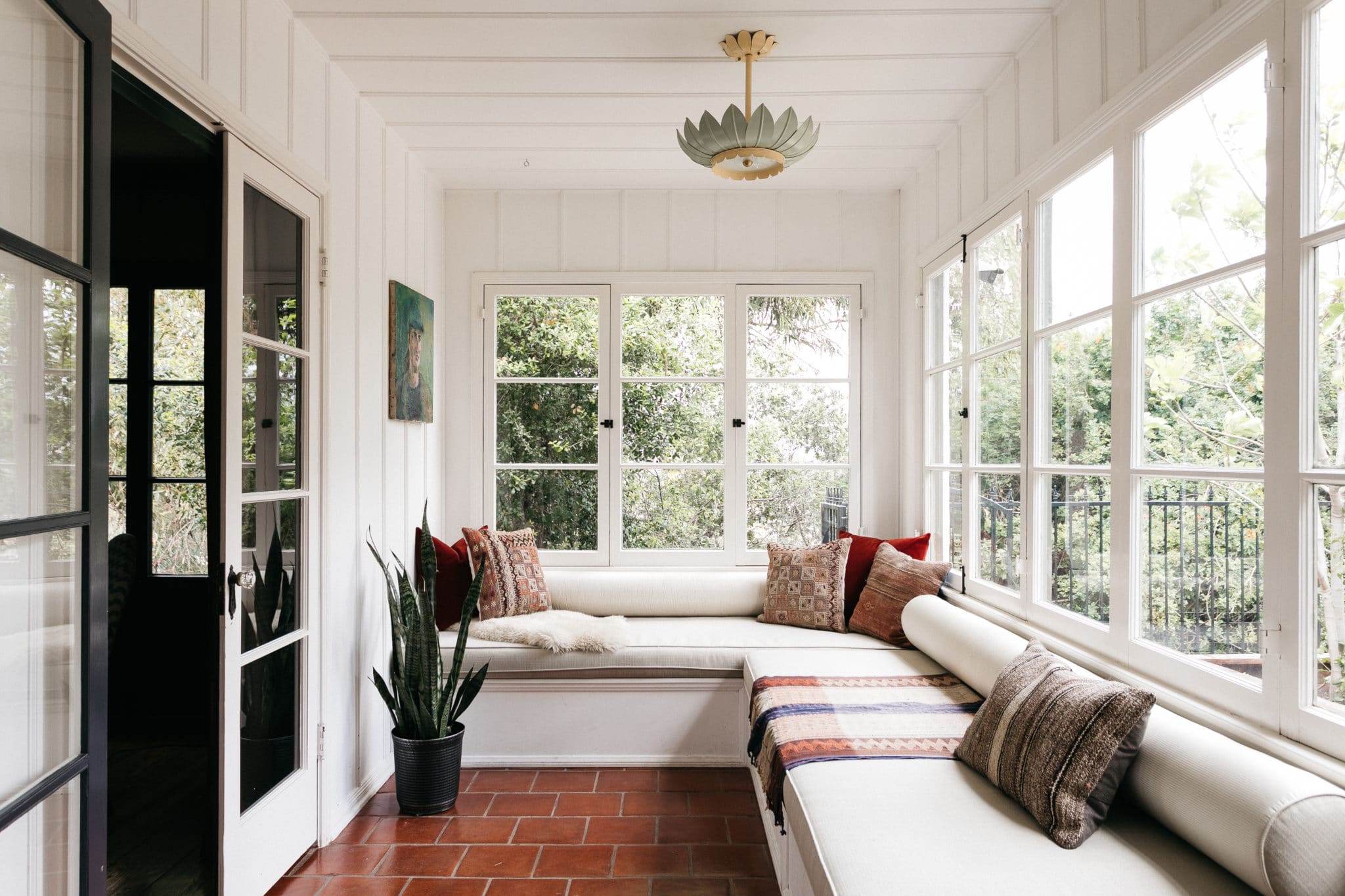
Homeowners continue to look for brighter spaces that feel calm, open, and useful every day. That is one reason Sun Rooms keep attracting attention. They bring in more daylight, create a better view of the outdoors, and give a home extra room without changing its whole layout.
They also match what many homeowners want in 2026. The American Institute of Architects reported that outdoor living spaces and blended indoor-outdoor spaces remained among the most popular exterior features in homes, which helps explain why glass-filled additions still have strong appeal.
This guide explains what these spaces are, what benefits they offer, which styles work best, what affects pricing, and how a homeowner can choose a setup that feels worth the investment.
What Are Sun Rooms?
Sun Rooms are enclosed living spaces designed to bring in natural light and create a stronger connection to the outside. They are usually more comfortable and protected than an open patio or porch, yet they feel lighter and less formal than a traditional conservatory. A well-designed room can serve as a reading area, casual lounge, dining nook, or home office.
What makes them so attractive is flexibility. In the morning, the space may feel like a quiet coffee corner. By afternoon, it can become a workspace. In the evening, it may turn into a relaxed sitting room. That kind of all-day use is a big reason they stay relevant.
Top Benefits of Sunrooms
The biggest benefit of sunrooms is simple: they make a home feel larger, brighter, and easier to enjoy. More daylight can improve the mood of a room, while the added square footage gives a household more freedom in how it uses the home.
They also support indoor-outdoor living, which is still a major design priority. AIA trend data shows that outdoor rooms and blended indoor-outdoor spaces remain highly popular, while Houzz continues to feature strong demand for sunroom-style spaces that extend the outdoor season and create usable shelter from wind, rain, and bugs.
Other practical benefits include
extra everyday living space
better views of a garden or yard
a more inviting place for guests
a flexible room that can change with family needs
For many households, that mix of comfort and function matters more than trends alone.
Popular Types of Sunrooms
Not all sunrooms are built the same, and the right choice depends on climate, budget, and expected use.
A three-season room works best for mild weather. It is usually less expensive because it may not need full insulation or full HVAC integration. A four-season room is designed for year-round comfort, so it often includes better insulation, stronger glazing, and more advanced temperature control.
Other common options include a glass enclosure, a patio enclosure, a screened room, or a solarium with extensive overhead glazing. Houzz notes that these spaces can work as lounges, dining areas, indoor gardens, or casual family rooms, which shows just how wide the design range can be.
Best sunroom ideas for different homes
When homeowners search for sunroom ideas, they usually want practical inspiration, not just pretty photos. The best layouts fit the home’s size and daily routine.
For smaller homes, built-in seating and a compact table can make the room feel useful without feeling crowded. In modern homes, slim aluminum frames, large glass panels, and simple flooring keep the look sharp and clean. In family homes, soft chairs, layered lighting, and washable fabrics create a comfortable lounge that handles real daily use.
Some of the best sun rooms ideas are the most straightforward:
a breakfast space beside the kitchen
a garden-facing reading room
a calm home office with glare control
a casual dining zone for everyday meals
a plant-filled retreat with natural textures
Strong sunroom ideas usually balance beauty and function. A room that looks impressive but overheats in summer or feels dim at night will not perform as well as one planned around comfort.
How Much Do Sunrooms Cost?
When people start comparing sunrooms, cost usually becomes the biggest question. HomeAdvisor’s December 2025 guide says a sunroom addition typically falls in a range of $22,000 to $75,000, with an average around $47,000, or roughly $150 to $300 per square foot depending on size, materials, and features.
The biggest drivers behind sun room costs include:
overall room size
framing material
type of glazing
foundation work
electrical upgrades
insulation
connection to heating and cooling systems
custom finishes versus prefabricated options
Custom builds often cost more, but they usually fit the home better. That can matter a lot when the goal is a finished space that looks permanent and comfortable.
How to Choose the Right Sun rooms
Choosing sun rooms wisely starts with purpose. A homeowner should ask how the room will actually be used. Will it be a daily sitting room, a seasonal retreat, a dining area, or a work zone? Once that answer is clear, budget and climate become easier to match with the right build.
ENERGY STAR recommends choosing windows, doors, and skylights based on the home’s climate zone and verified performance ratings. The U.S. Department of Energy also explains that lower U-factor numbers improve insulation, while lower SHGC values reduce solar heat gain during hot weather.
That matters because sun rooms cost are not only about construction. A cheaper room can become expensive later if it struggles with heat, glare, or poor insulation. In hot regions, solar-control glass and shading matter a lot. In cooler regions, thermal performance becomes even more important.
Sun Room Design Tips
The best spaces do not feel like spare corners. They feel like real rooms. Furniture should fit the footprint without blocking views. Flooring should handle sunlight and daily wear. Window treatments should soften glare without making the room feel heavy. Layered lighting helps the room stay useful after sunset.
A few simple details can make a big difference:
choose furniture with lighter visual weight
add a rug to define the seating area
include a ceiling fan if airflow is important
use woven shades or light-filtering blinds for privacy
mix plants and natural materials for warmth
These design choices can also help control sun rooms costs, since smart planning early often reduces the need for fixes later.
Common Mistakes to Avoid with Sunrooms
Many disappointing sunrooms fail during planning, not styling. One major mistake is choosing the wrong glass. Another is ignoring ventilation. Some rooms look beautiful in photos but become too hot, too cold, or too bright for daily use.
Other common problems include oversized furniture, poor orientation, weak drainage planning, and hiring installers without enough project experience. A homeowner should also check permit requirements and structural support before moving forward. Skipping these basics can turn a promising idea into a frustrating one.
Are Sun rooms Worth It?
For many households, sun rooms are worth it because they add lifestyle value right away. They create a flexible zone that can change over time. A young family may use the room for play. Later, the same space may become a reading lounge, guest sitting area, or quiet workspace.
Their value depends less on appearance alone and more on how well they work. A simple room with good glass, good airflow, and a smart layout will usually outperform an expensive room that was built without enough attention to comfort. That is why buyers often focus on usability as much as style.
Final Thoughts on Sun rooms
Well-designed sunrooms do more than add square footage. They change how a home feels day to day. They can bring in light, improve comfort, and create one of the most pleasant spaces in the house.
Before choosing a contractor or comparing models, a homeowner should review materials, glazing, ventilation, insulation, and layout plans with care. A thoughtful decision usually leads to better long-term value, better comfort, and fewer regrets.
FAQs
Do sunrooms add value to a home?
Sun rooms often add lifestyle appeal and can improve buyer interest when they feel comfortable, permanent, and well integrated with the rest of the house.
What affects sun rooms costs the most?
The biggest factors are size, framing, glazing, insulation, electrical work, foundation needs, and HVAC connection. Those items usually shape sun rooms cost more than décor choices.
What is the difference between a three-season room and a four-season room?
A three-season room is mainly for mild weather. A four-season room is designed for year-round use with stronger insulation, better glass, and more complete heating or cooling support.
What glass works best in hot climates?
Low-E glass with climate-appropriate performance ratings is often the safer choice. Lower SHGC ratings can help reduce unwanted solar heat gain in warmer conditions.
Are sun rooms a good fit for small homes?
Yes. Sun rooms can work very well in smaller homes when the layout is compact, furniture is scaled properly, and the room has a clear purpose.